Home > Stainless Steel > Stainless Steel 316 Forgings
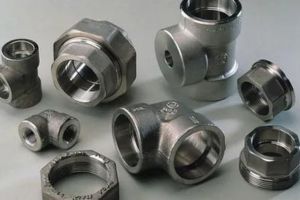
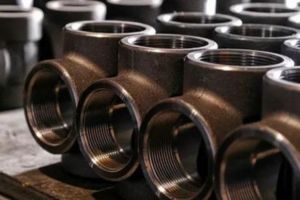
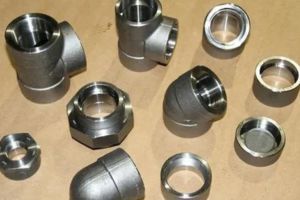
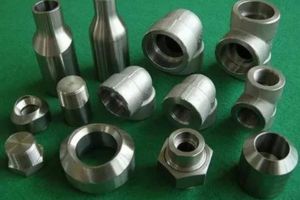
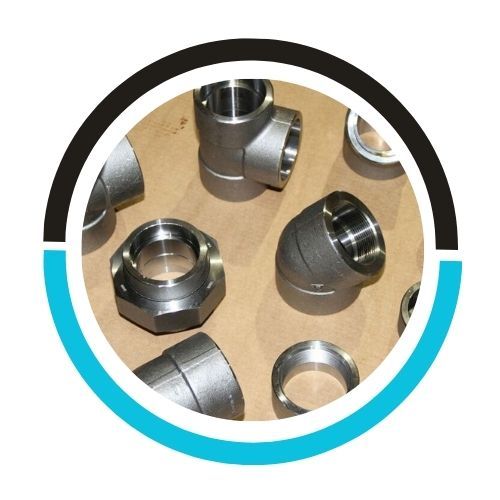
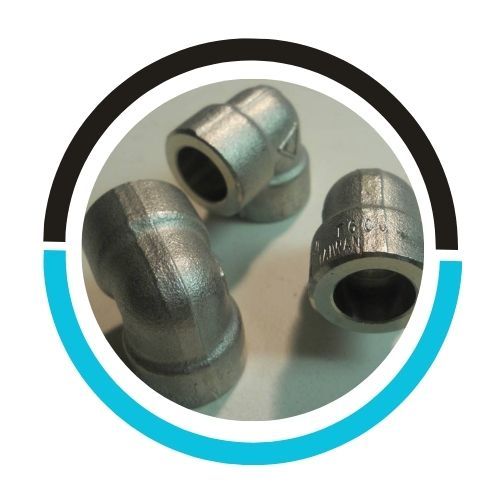
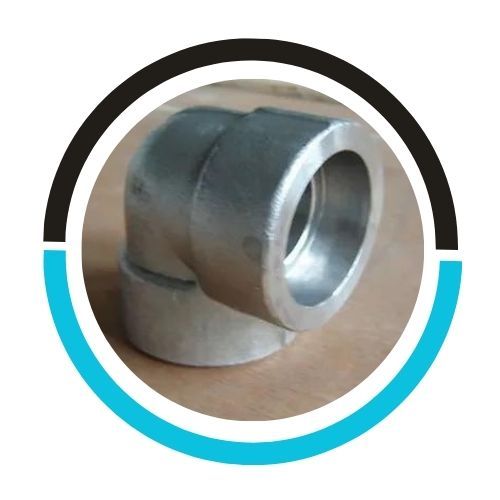
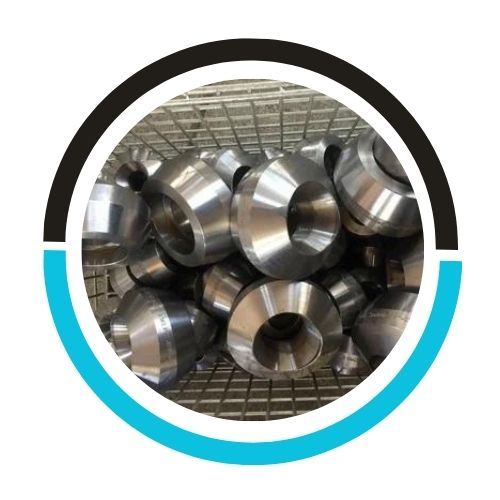
Our company specializes in delivering a comprehensive range of Stainless Steel 316L Forgings sourced from esteemed suppliers renowned for their expertise in stainless steel. These custom-built forgings are carefully custom-built to meet diverse industry needs, offering versatility in size, grades, and specifications. Widely employed in critical sectors such as marine, pharmaceuticals, and chemical processing, they are esteemed for their exceptional resistance to corrosion and high temperatures. Engineered with a robust microstructure, these 316 stainless steel forgings ensure unparalleled strength and longevity, guaranteeing consistent performance in demanding applications.
| Specifications | ASTM A182, ASME SA182 |
|---|---|
| Standard | DIN, ASTM, BS and all International Standards |
| Flat bar blocks | up to 27″ width and 15,000 lbs |
| Cylinders and sleeves | up to 50″ maximum O.D. and 65″ maximum length |
| Discs and hubs | up to 50″ diameter and 20,000 lbs |
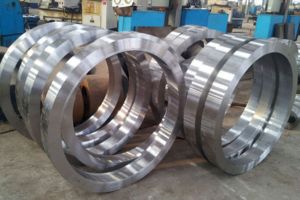
| Rolled, hand forged or mandrel forged rings | up to 84″ maximum O.D. and 40″ maximum length |
| Rounds, shafts and step shafts | up to 144″ maximum length and 20,000 lbs |
| Grade | C | Mn | Si | P | S | Cr | Mo | Ni | N |
| SS 316L | 0.035 max | 2.0 max | 1.0 max | 0.045 max | 0.030 max | 16.00 – 18.00 | 2.00 – 3.00 | 10.00 – 14.00 | 68.89 min |
| Density | Melting Point | Tensile Strength | Yield Strength (0.2%Offset) | Elongation |
| 8.0 g/cm3 | 1399 °C (2550 °F) | Psi – 75000 , MPa – 515 | Psi – 30000 , MPa – 205 | 35 % |
At PipingMart, we take pride in being the largest supplier and manufacturer in the UAE, offering cutting-edge solutions for all your piping needs. With state-of-the-art production plants strategically located in the UAE, we boast a vast inventory of over 25,000 tons of premium-quality materials readily available in stock.
Contact us to get a quick quote for your requirement.
We offer These Stainless Steel 316L Forgings as per DIN, ISO, JIS or ANSI Standard.
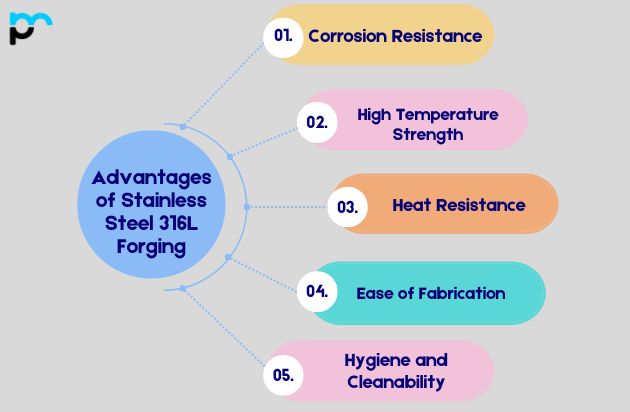
Corrosion Resistance: Stainless Steel 316L has excellent resistance to corrosion, making it suitable for use in various environments, including marine and chemical processing industries. This resistance is due to its high chromium (16-18%) and molybdenum (2-3%) content.
Strength and Durability: 316L stainless steel offers good mechanical properties, including high tensile strength and toughness. This makes it suitable for applications requiring high strength and durability.
Heat Resistance: It maintains its mechanical properties at both high and low temperatures. This property is crucial in applications where temperature variations are significant.
Ease of Fabrication: Stainless Steel 316L is easily forgeable and machinable. It can be formed into various shapes and sizes using standard forging techniques, which makes it versatile for different manufacturing processes.
Hygiene and Cleanability: It is easy to clean and has good hygiene properties, making it suitable for applications in the food, pharmaceutical, and medical industries where cleanliness is critical.
Stainless Steel 316L Forgings applications are as diverse as the industries they serve driven primarily by the aerospace, railway, construction and automotive industries with petrochemical, nuclear, medical, Oil & Gas, Chemical, Pharmaceutical, Food & Beverage, Nuclear, Thermal Power plants, Paper and Pulp, marine and mining, etc.
Marine and Coastal Applications: Due to its excellent corrosion resistance, 316L stainless steel forgings are widely used in marine environments for components like boat fittings, shafts, propellers, and underwater pipelines.
Chemical and Petrochemical Industry: The high resistance to corrosion and acids makes 316L forgings suitable for equipment and components in chemical processing plants, such as valves, pumps, tanks, and heat exchangers.
Food and Beverage Processing: Stainless Steel 316L is preferred in food processing equipment due to its hygienic properties and resistance to corrosion from food acids and sanitizing agents. It is used for forging parts like mixing tanks, piping, and fittings.
Mechanical Properties: Evaluate the mechanical strength requirements such as tensile strength, yield strength, and toughness needed for your components. Stainless Steel 316L offers good mechanical properties suitable for a wide range of applications, but specific requirements may vary depending on the load and stress conditions.
Temperature Resistance: Consider the temperature range in which the forgings will operate. Stainless Steel 316L maintains its strength and corrosion resistance at both high and low temperatures, making it suitable for applications with varying thermal conditions.
Fabrication and Machinability: Assess the feasibility of forging Stainless Steel 316L into the required shapes and sizes for your components. Consider factors such as ease of machining, welding, and forming to ensure compatibility with your manufacturing processes.
Stainless Steel 316L forgings are generally resistant to galvanic corrosion when coupled with compatible metals due to their noble nature and passive oxide layer. However, in certain aggressive environments or when paired with dissimilar metals, precautions should be taken to prevent galvanic corrosion through proper design and material selection.
When selecting Stainless Steel 316L forgings, consider corrosion resistance in diverse environments, mechanical strength for load-bearing applications, temperature stability, ease of fabrication, and suitability for hygiene-sensitive industries. Ensure compatibility with other materials to prevent galvanic corrosion and comply with regulatory standards for specific applications.

Yes, Stainless Steel 316L forgings are highly recyclable. They can be melted down and reused without losing their valuable properties. Recycling stainless steel reduces energy consumption and environmental impact compared to producing new materials, making it a sustainable choice in various industries.
Stainless Steel 316L forgings generally do not require corrosion protection coatings due to their inherent corrosion resistance from chromium and molybdenum content. However, in highly corrosive environments or specific applications, coatings like paints or epoxy may be used to provide additional protection against localized corrosion or wear.
Call Us: +91 7208967217
Email: sales@www.vigneshmetals.com